
Soul on Fire: Speaking Hope When It’s Needed Most
Jan 26, 2026
In healthcare, our words are never just words.
- They carry weight.
- They carry hope, or fear.
- They can either steady someone in the storm or quietly push them deeper into it.
Few stories illustrate this truth more powerfully than Soul on Fire, the story of John O’Leary. It’s a movie that was released in 2025. If you have not seen it, I highly recommend it. I’ll link it here.
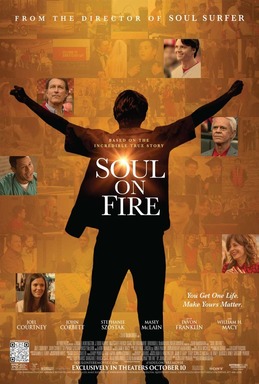
At nine years old, John was burned on 99% of his body in a house fire that he accidentally started. Doctors gave him a one percent chance to live. His survival would not be determined by medicine alone, but by the people who chose to show up, speak life, and believe when belief felt irrational.

Read on to discover how not only John’s mindset, but the words spoken around him truly were the difference-maker in his seemingly hopeless circumstance. As you are reading, remember you and your staff get to be this difference-maker for your residents too.
When Circumstances Feel Hopeless (Because we know at times they do)
As John was rushed into surgery, his father asked a medical professional a simple question: “Will he live?”
The answer was blunt: “No chance. It’s just his time.”
Moments later, John asked his mother the same question.
Instead of predicting an outcome, she asked him something far more powerful:
“Do you want to live?”
When he said yes, she replied, “Then it’s up to you.”
In residential facilities, administrators and staff encounter moments like this every day—though they often look quieter.
A new dementia diagnosis.
A resident who is declining.
A family overwhelmed by fear.
A staff member burning out.
In those moments, leadership isn’t about having all the answers. It’s about choosing the words that leave room for dignity, hope, and humanity.

The Difference-Makers We Never Forget
John’s story is filled with people who made small decisions that created massive impact.
A sister who ran back into a burning house, not once, but three times, to throw water on his face, saving it.
A sports announcer for the St. Louis Cardinals, Jack Buck, who didn’t know if John would survive, but came to the hospital anyway to speak encouragement and hope.
A nurse who looked at John’s parents and said, “He’s not going to die on my watch. He said he wanted to live.”
None of them knew how the story would end.
They showed up anyway.
In residential facilities, difference-makers look like:
- The administrator who advocates instead of dismisses
- The caregiver who kneels to speak eye-to-eye
- The leader who protects dignity even when time is tight
They don’t always save lives, but they always shape them.
The Nurse Who Whispered Life
One of the most profound relationships in Soul on Fire is between John and his nurse, Roy.
√ Roy caused John pain.
√ He pushed him to walk.
√ He made him move when it hurt.
√ He protected him from infection and refused to let him quit.
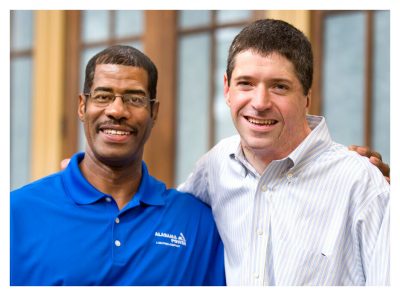
(Photo of John & His Nurse Many years later)
And through it all, Roy spoke life.
“You’re going to walk again—and I’ll walk with you.”
This is a truth healthcare leaders know well. Compassion doesn’t mean avoiding discomfort. Leadership often means holding belief for someone before they can hold it themselves.
In facilities, this looks like:
- Supporting residents through hard transitions
- Holding standards when it would be easier to lower them
- Leading staff with both empathy and accountability
The Impact You Don’t Always See
Years later, when John reunited with Nurse Roy, Roy admitted something heartbreaking:
He thought John might hate him…for the pain he caused him to go through during rehab.
He didn’t realize until that moment that he, as a nurse, truly mattered.
This is the silent reality of healthcare work.
Administrators and staff often feel unseen. They’re “just doing their job.” They rarely witness the long-term impact of their presence.
But words spoken during someone’s hardest season don’t disappear. They echo…and often time stick with them.

You Can’t Control the Storm—But You Can Choose How You Walk Through It
John O’Leary often says:
“You cannot always choose the path you walk, but you can choose how you walk it.”

Healthcare leaders don’t control diagnoses. They don’t control every regulation, crisis, or staffing challenge.
- But they do control culture.
- They do control tone.
- They do control how people feel when they walk into the building.
And that matters more than most policies ever will.
Saying Yes to Life—Even When It’s Hard
Jack Buck, the Cardinal’s announcer, taught John to say yes to life—the good and the bad. That yes changed everything.
Healthcare administrators say yes every day:
- Yes to responsibility
- Yes to showing up tired
- Yes to carrying weight others don’t see
And when leaders say yes to the things that matter most, their teams follow.

The Human Soul on Fire
There is a quote by Marshall Ferdinand Voss that says: “The most powerful weapon on earth is the human soul on fire.”
In residential care, that fire is lit through your words.
- Words that remind someone they still matter
- Words that preserve identity beyond diagnosis
- Words that turn fear into courage

You may never know whose life you changed today. But you did.
You get one life. Make yours matter. And never underestimate the power of whispering life into another…especially when they need it most.
The UCampus Group Team
www.UCampusGroup.com
Stay connected with news and updates!
Join our mailing list to receive the latest news and updates from our team.
Don't worry, your information will not be shared.
We hate SPAM. We will never sell your information, for any reason.
