
Change is Good...You Go First
Jul 20, 2026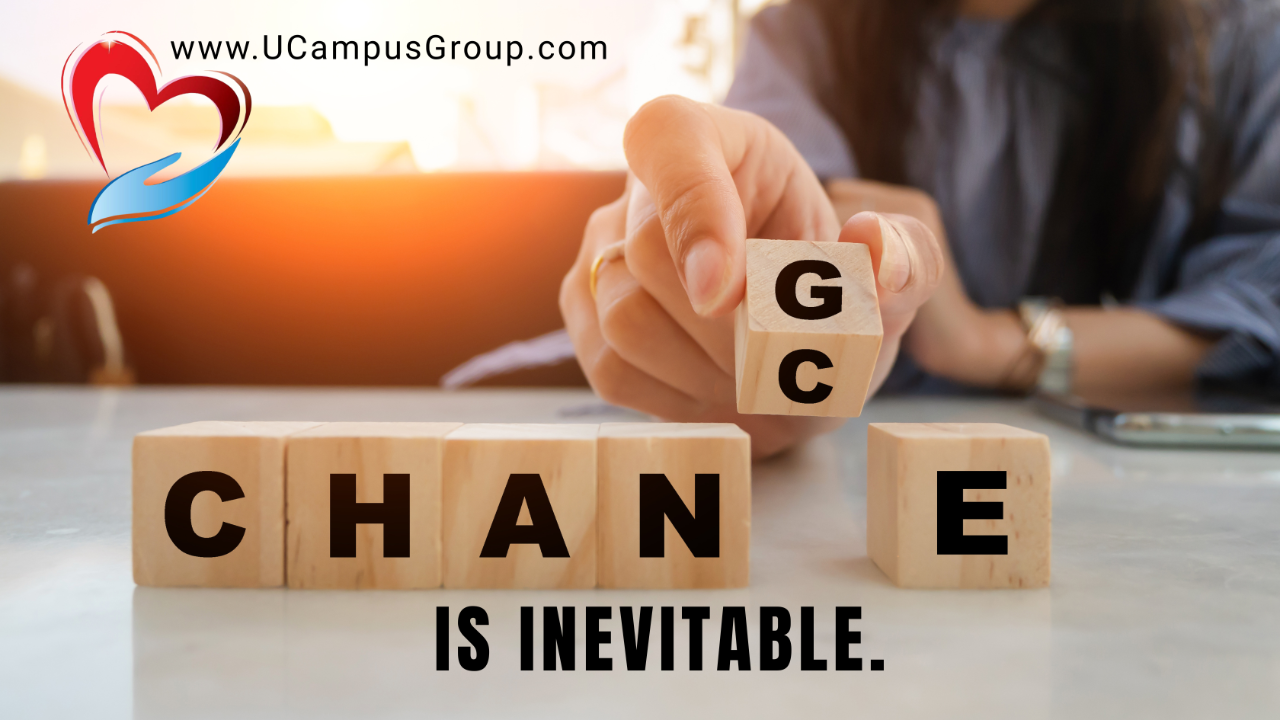
Change is Inevitable and It Begins With You
"Progress is impossible without change, and those who cannot change their minds cannot change anything."
— George Bernard Shaw
If there's one thing every RCFE and ARF administrator knows, it's that change is part of the job. Regulations are updated, resident needs evolve, staffing challenges arise, technology advances, and best practices continue to improve. The ability to adapt isn't simply a leadership skill. It's essential to providing exceptional care.
Have you ever heard of the book Change Is Good... You Go First by Mac Anderson?
It's a clever title because it captures something we all experience. We often recognize opportunities for improvement around us. We wish a coworker would change, a process would improve, or a difficult situation would resolve itself. Yet, more often than not, the greatest opportunity for change begins when we look in the mirror.

That doesn't mean we're doing something wrong. In fact, many successful leaders fall into this trap because what they've been doing has worked. The challenge is that what got us here may not be what gets us where we want to go next.
The best administrators never stop learning because they understand that excellence is never a destination. It is a continual pursuit. Growth requires us to examine our mindset, our habits, our routines, our communication, and our willingness to ask, "Is there a better way?"
There is an old story about a dog named Beau who spent his days lying on a porch, occasionally letting out a loud moan. A visitor finally asked the dog's owner why Beau kept crying.
"He's lying on a nail," the owner replied.
The visitor looked puzzled. "Why doesn't he get up?"
The owner smiled and answered, "Because it doesn't hurt enough yet."
How often do we find ourselves in Beau's position? We tolerate routines that could be improved. We continue using outdated processes because they are familiar. We accept challenges as "just the way things are" rather than asking how they could be better.
Comfort has a way of keeping us stuck.
As Heraclitus wisely said, "There is nothing permanent except change."
Whether we welcome it or not, change is inevitable. The question is whether we choose to grow with it.

One of the most practical ways to understand why people embrace change comes from the Gleicher Formula for Change. The formula by David Gleicher suggests that successful change occurs when three things outweigh our natural resistance to change.
1. First, there must be enough dissatisfaction with the current situation to recognize that improvement is needed.
2. Second, there must be a clear vision of a better future.
3. Third, people need to understand the first steps that will help them get there.
When those three elements become stronger than the resistance to change, meaningful progress begins.
Think about implementing a new documentation process, introducing a different communication system, updating infection control procedures, or changing the way medications are managed. Your staff rarely resists because they don't care. More often, they are wondering how the change will affect their already busy day and whether they will be successful using the new process.
This is where great leadership makes all the difference. Remember, you are the difference-maker.

John Maxwell reminds us, "Change is inevitable. Growth is optional."
As leaders, our first responsibility is to choose growth ourselves. That may mean improving our communication, strengthening our leadership skills, refining our processes, or simply remaining teachable. When we model a willingness to learn, we create a culture where others feel safe doing the same.
The second responsibility is helping our teams navigate change.
Simon Sinek explains it well in his short video on change. People don't resist change simply because it is new. They resist moving away from something that already works for them. Even when a better process exists, the current one feels familiar, predictable, and comfortable.
> View Here
Understanding this changes the conversation.

Instead of asking, "Why won't my staff embrace this?" we begin asking, "What concerns do they have?"
Perhaps they worry about making mistakes.
Perhaps they fear looking inexperienced.
Perhaps they are overwhelmed by everything else already on their plate.
Or perhaps they simply need someone to explain the purpose behind the change.
Successful administrators understand that change happens at the speed of trust. When team members understand why a change is being made and believe their leader is committed to supporting them, they are far more willing to embrace new ideas. Communication, transparency, patience, and consistency build that trust long before a new policy or procedure is introduced.
The best administrators don't introduce change simply because it is different. They introduce change because it improves resident care, strengthens teamwork, increases compliance, creates a safer environment, or enhances the quality of life for those they serve. They paint a clear picture of why the change matters and help their team take manageable steps forward.

Most importantly, they model the behavior they hope to see.
If we expect our teams to continue learning, we must continue learning ourselves.
If we expect flexibility, we must be flexible.
If we expect a positive attitude toward improvement, we must demonstrate one every day.
Change does not mean what you are doing today is bad. More often, it means what you are doing today has served you well, but there is another level waiting for you.
As you reflect on your own leadership this month, ask yourself two questions.
Where do I need to be open to change?
How can I help my team feel confident enough to embrace change with me?
Every improvement you make, whether it is refining a process, strengthening communication, or embracing a new way of leading, ultimately benefits the people who matter most: your residents.
When leaders commit to growth, their teams become stronger, their culture improves, and the quality of care rises right alongside it.
Change isn't about fixing what is broken.
It's about continually becoming the kind of leader your team deserves and the kind of advocate your residents need.
- The UCampus Group Team
UCampusGroup.com
Stay connected with news and updates!
Join our mailing list to receive the latest news and updates from our team.
Don't worry, your information will not be shared.
We hate SPAM. We will never sell your information, for any reason.